R-Harness
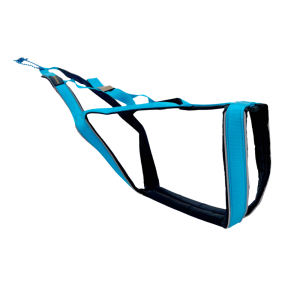
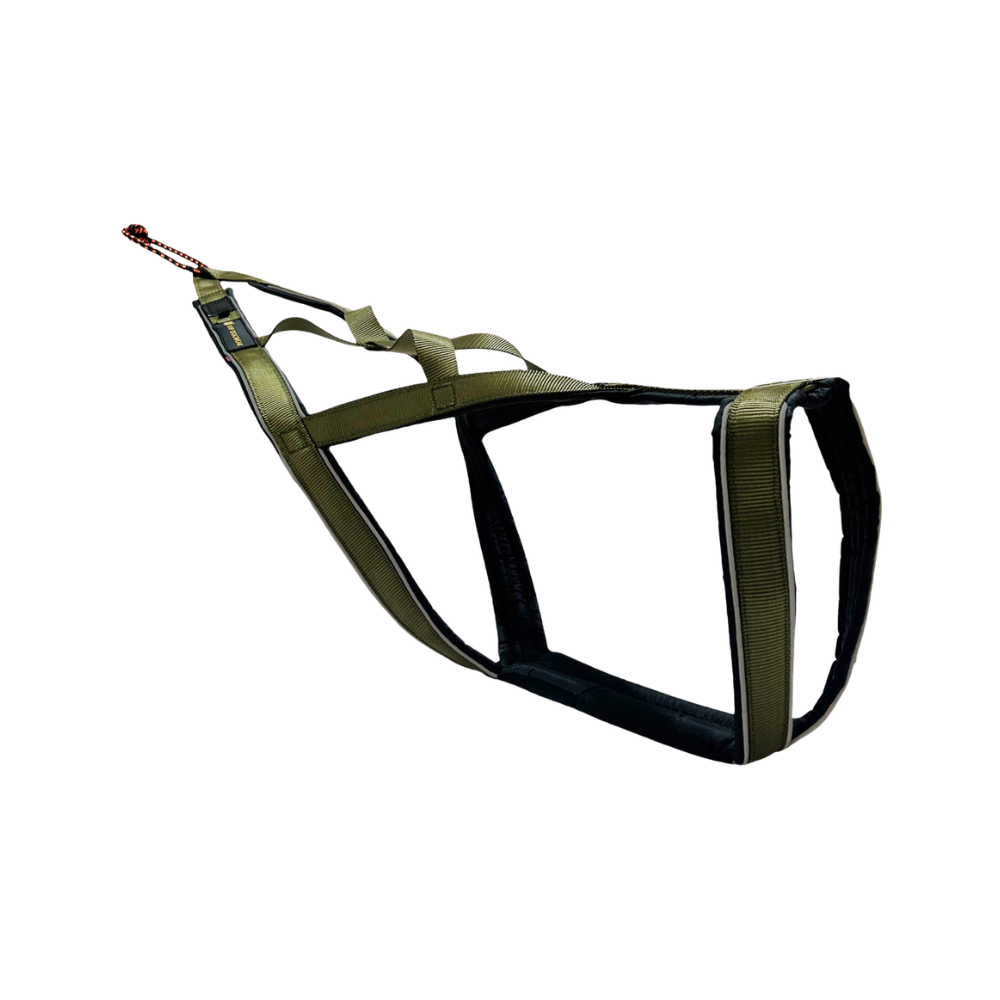
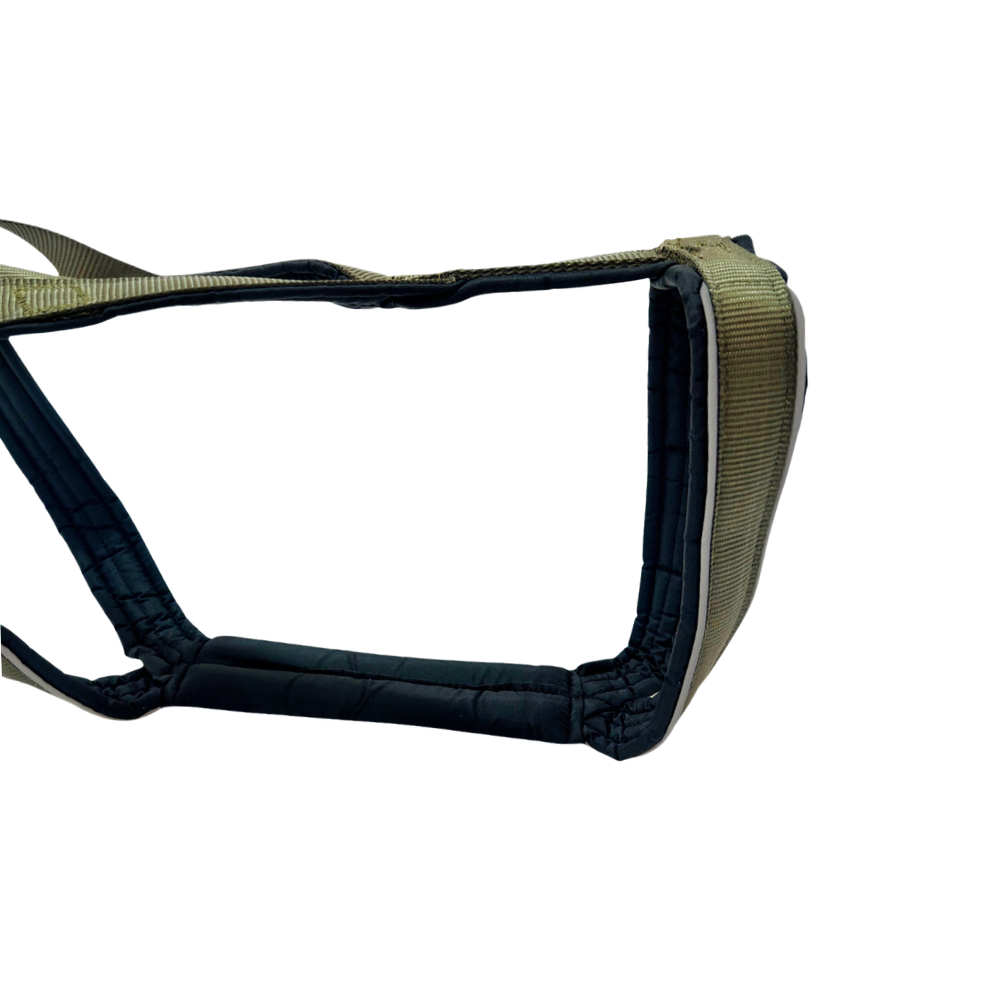
The R-Harness is an anatomically designed and ultra-light harness developed for racing dogs and active pulling dogs that require maximum freedom of movement and comfort. This harness is specially designed with a strong focus on ergonomics and balance, ensuring that the dog always has unrestricted airways. Developed around the natural movement patterns of active dogs, its unique fit allows for natural shoulder movement, enhancing both performance and comfort.
Especially well suited for breeds with a slim body shape and long back, such as pointing dogs, huskies, and hounds. The ergonomic fit and durable construction make it a favorite among both professional mushers and active dog owners. Ideal for skiing, sledding, hiking, training, and competitions.
Reflective details in the form of two clear stripes ensure visibility in the dark and in low-light conditions.
How the Pulling Harness Should Fit
For optimal comfort, performance, and functionality, it is essential that the harness fits correctly. A properly fitted pulling harness provides the dog with full freedom of movement, unrestricted airways, and even pressure distribution during activity.
A harness that is too small will often cause chafing, especially under the front legs/armpits. A harness that is too large or too long will sit unstably and create incorrect pressure distribution. A properly fitted harness provides better comfort, freer movement, and more efficient power transfer.
Signs of a Correct Fit
- The harness fits snugly but comfortably around the neck
- The shoulders have full freedom of movement
- The chest section is centered and balanced
- The harness lies stable along the body without twisting
- The length is adjusted so the load is distributed correctly
- No chafing, especially under the front legs/armpits
- Even pressure distribution when the dog pulls
How to Check the Fit
Follow these steps to ensure a correct fit:
1. Put the Harness on Correctly
Make sure the harness is properly positioned before evaluating the fit.
2. Adjust Fur and Neck Skin
Gently pull the fur and neck skin forward so the harness sits snugly and correctly against the shoulder area on both sides.
3. Position the Dog Naturally
Hold the pulling line and apply light tension while the dog stands naturally and straight.
4. Check the Length
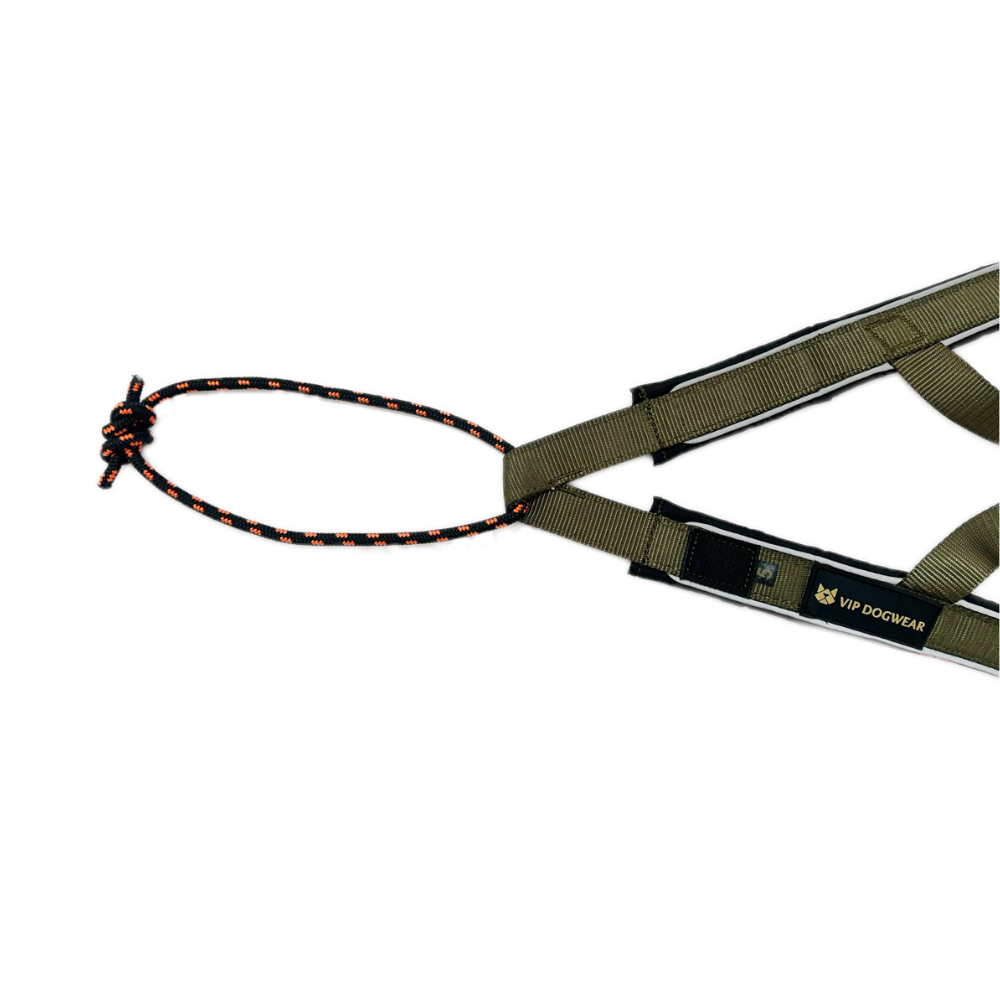
The back end of the harness (where the line enters the webbing) should sit approximately at the base of the tail.
5. Check the Fit Over the Chest and Ribcage
The webbing should follow naturally from the breastbone and along the ribcage/sides.
- Too long harness: The webbing sits below the ribs, may press against the abdomen, and ends too far back — often on top of or behind the hips.
- Too short harness: The harness causes chafing in the armpits/behind the front legs, and the end sits too high up on the back.
6. The Harness Should Sit Close to the Body
When tension is applied, the harness should remain stable and close-fitting without lifting or shifting unnaturally.
7. Evaluate the Neck Fit
The harness should fit snugly around the neck — you should be able to fit a small palm or a couple of fingers between the harness and the neck.
If the harness slides out onto the shoulders, the neck opening is too wide.
Tip
To find the correct size, we recommend measuring your dog’s neck and back length and comparing the measurements with our size chart. This provides a better starting point for achieving the correct fit.
| Size | Color marking | Neck x length (cm) | Dog weight |
| 0 | 36*46 | ||
| 1 | 38*52 | ||
| 2 2.5 |
Red | 40*54 40*56 |
17-19 kg |
| 3
3.5 |
Blue
Tundra Green |
42*56
42*62 |
20-23 kg |
| 4
4.5 |
Grey
Golden |
44*62
44*66 |
22-24 kg |
| 5
5.5 |
Black
Arctic Blue |
46*66
46*70 |
25-28 kg |
| 6 | Orange/Gold | 48*70 | 29-32 kg |
| 7 | Brown | 50*74 | 33-37 kg |
| 8 | Green | 52*78 | 38-43 kg |